Published Friday, January 16, 2026
By Heather Fogarty
Introduction
Manufacturers face constant pressure to protect products without overspending on packaging. Oversized boxes drive
up DIM shipping costs, require unnecessary filler materials, and take up more storage space — all of which
quietly
eat into margins long before a product ever reaches a customer.
The good news? Reducing packaging waste isn’t just a sustainability win — it’s a long-term cost saver. It also
improves productivity across the manufacturing process by reducing the number of touchpoints and eliminating
common
types of packaging waste like oversized boxes, void fill, and excess stock. While some changes may require small
upfront adjustments, right-sized packaging, reduced filler, and smarter
shipping strategies quickly lead to lower DIM costs, less material waste, free up storage, and improved
efficiency.
Below are six proven strategies manufacturers can use to cut waste, control costs, and meet growing
sustainability
expectations.
Why Packaging Waste Is a Real Business Problem
Addressing packaging waste reduction and adopting sustainable packaging practices in the manufacturing process
can
significantly reduce disposal costs, improve supply chain performance, and reduce what ultimately becomes
landfill
waste. By prioritizing packaging optimization, recyclable materials, and more efficient waste handling,
manufacturers can support a circular economy while improving operational efficiency and reducing environmental
pollution caused by poor packaging choices.
The Hidden Costs of Overpackaging
You think you are saving money buying stock sizes although oversized boxes and unnecessary materials lead to:
- Higher DIM shipping fees
- Increased material costs (fillers, etc)
- More damaged goods during transit
- Excess inventory sitting unused
Packaging waste quietly erodes margins.
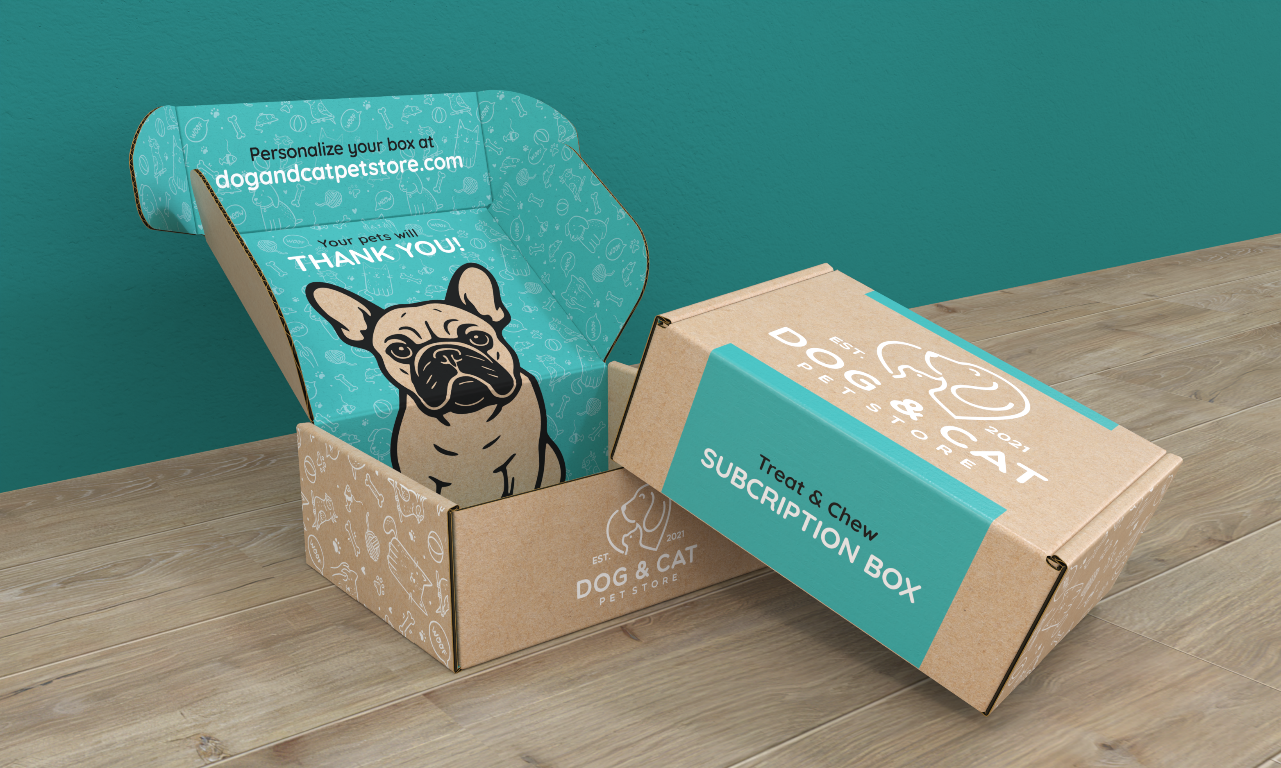
Customers Notice Excess Packaging
Today’s customers expect efficient, sustainable packaging. Excess waste
can
lead to negative reviews, lower brand affinity, and lost repeat business — especially for DTC, subscriptions,
and
ecommerce brands where the unboxing experience matters.
6 Proven Strategies to Reduce Packaging Waste
Learning how to reduce packaging waste in manufacturing starts with a clear plan: prioritize source reduction by
right-sizing and redesigning product packaging, switch to eco-friendly materials, and explore reusable packaging
systems for inbound and outbound logistics. Combine packaging optimization with supplier collaboration to
standardize components and eliminate extra materials, and invest in automation that reduces human error and
overpacking. Finally, track your progress with packaging-related KPIs and support zero-waste goals by partnering
with recycling processors and implementing take-back programs that help reduce the amount of waste generated
during
the packaging process.
1. Use Right-Sized Packaging
Design boxes that fit your products precisely. Right-sized packaging
reduces
material use, lowers shipping costs, and minimizes damage risk — all while improving sustainability. Your
customers
notice when packaging is intentional, not oversized.
For example, a candle brand adjusted their packaging to better match the size and weight of their products. By
switching to boxes that fit each candle more securely, they reduced dimensional weight (DIM) charges, minimized
product movement during transit, and significantly lowered damage rates. Similar right-sizing strategies are
used
across industries like cosmetics, subscription kits, and specialty foods — where snug, well-designed packaging
protects products, cuts waste, and improves the customer experience from delivery to unboxing.
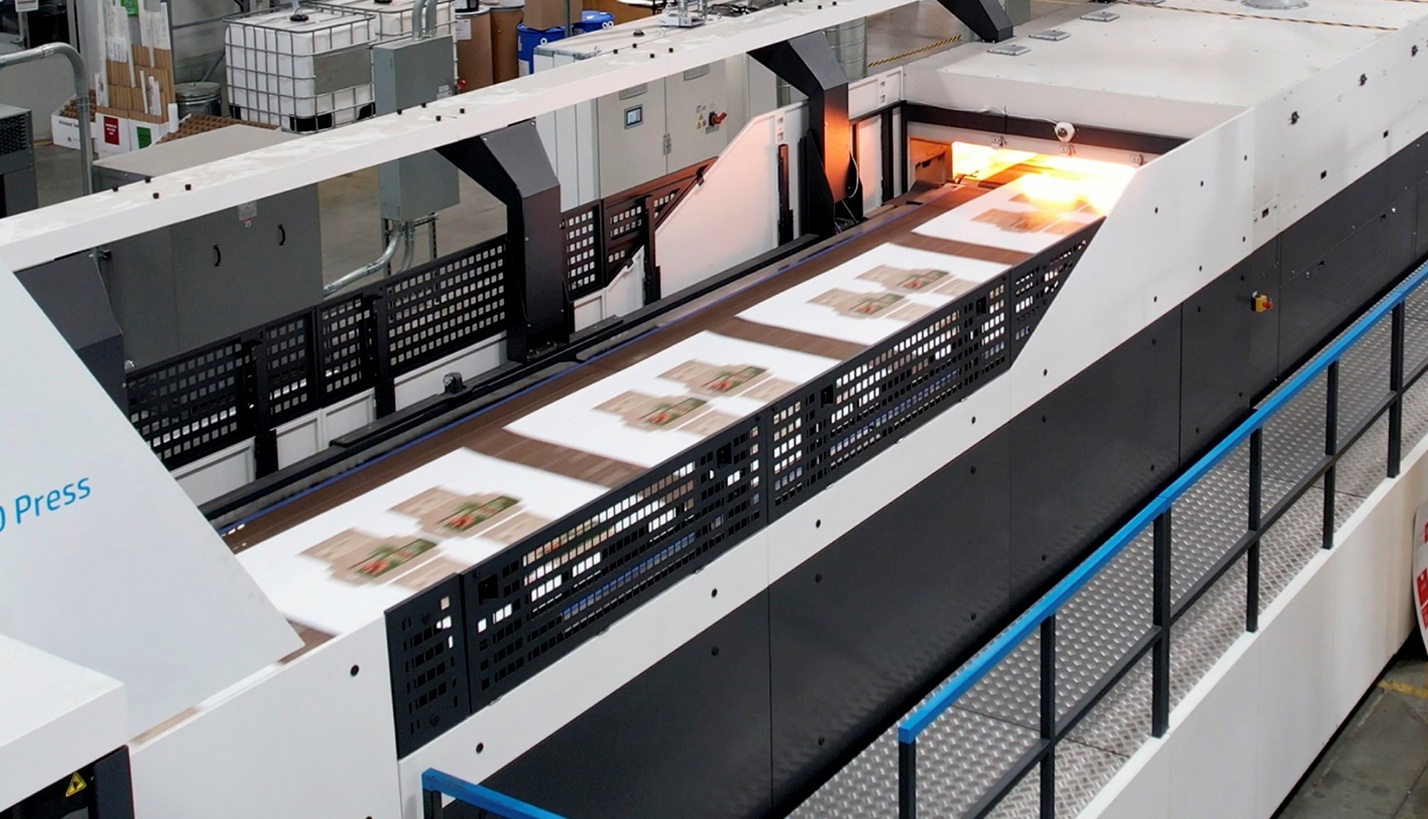
2. Switch to Digital Printing with No Minimums
Traditional print runs often force manufacturers to over-order. Digital printing allows for:
- On-demand production
- Smaller batch sizes
- Reduced excess inventory
DIYpack’s no-MOQ model helps eliminate waste before it starts.
For example, cosmetic brands launching seasonal collections use digital printing with no minimums to order
smaller
packaging runs for each SKU instead of committing to a large offset print run. Traditional offset printing often
requires large amounts of packaging to be ordered at once, increasing the risk of waste. This allowed them to
test
new designs, avoid excess inventory, and update packaging as products evolved — without wasting printed boxes.
Similar approaches are used by subscription box companies, specialty food brands, and beverage startups that
rely on
frequent design updates or limited releases, making digital printing a practical way to stay agile while
reducing
packaging waste.
3. Consolidate SKUs Using Modular Box Designs
Create packaging that works across multiple product variations instead of designing a different box for every
SKU.
Start by identifying your top-selling products and common order combinations. By standardizing packaging around
similar product sizes, you can reduce the number of box sizes you stock, streamline fulfillment, and minimize
wasted
material.
Modular box designs help protect products while reducing excess materials and oversized shipments — making custom corrugated shipping boxes a smarter, more sustainable choice for manufacturers.
For example, an electronics accessories brand consolidated its packaging by using a small set of modular box
sizes
for chargers, cables, and bundled kits. Instead of stocking separate boxes for each SKU, they standardized
packaging
around core dimensions, reducing storage needs and simplifying fulfillment. This also improves inventory
management
by reducing complexity in storage and fulfillment workflows. Apparel brands often take a similar approach by
using
one or two box sizes for folded garments and multi-item orders, while health and wellness companies package
supplements, bottles, and starter kits in shared modular boxes. Across industries, this strategy reduces excess
packaging, limits unused inventory, and creates a more streamlined, sustainable operation.
4. Reduce Void Fill with Smarter Box Design
Instead of relying on non-eco-friendly fillers like plastic air pillows, foam peanuts, or excessive paper void
fill, design boxes that fit products more precisely. Right-sized
corrugated packaging minimizes empty space, reduces material waste, and improves shipping efficiency —
which
also enhances the unboxing experience. Research and industry reporting show that optimized packaging reduces
waste
and carbon emissions while boosting customer satisfaction, because consumers increasingly dislike oversized boxes
filled with excess filler material.
Recycled corrugate offers impressive strength without unnecessary weight. DIYpack uses up to 99% post-consumer recycled content,
proving
that durability and sustainability can coexist. Selecting the right packaging material is critical — it affects
recyclability, product protection, and brand perception. Our corrugated boxes are 100% curbside recyclable,
making
them a strong example of a closed-loop system — where old boxes are recycled into new ones instead of ending up
as
waste.
Corrugated boxes made in the U.S. are also highly reusable. DIYpack carefully selects the correct flute sizes for
each box to ensure strength, protection, and reusability. Many customers reuse their boxes for storage or
returns
before recycling them, extending the life of the packaging and reducing overall waste even further.
6. Streamline Procurement by
Partnering Directly with a Manufacturer
Working directly with a packaging manufacturer — and cutting out the middleman — helps reduce supply chain
inefficiencies, shorten lead times, and protect your margins. Direct partnerships often mean better visibility
into
production, fewer handoffs, and less waste throughout the process.
When evaluating a partner, look for manufacturers that own their equipment, handle production in-house, and ship
directly from their facilities. This level of control can lead to more consistent quality, faster turnaround
times,
and a more efficient, sustainable packaging operation overall. DIYpack checks all of these boxes — and as part
of
Bay Cities Packaging, partners also gain access to expanded resources as they grow, including structural
engineers,
graphic designers, and packaging experts who can help evolve and optimize our partners packaging strategy over
time.
How DIYpack Helps Manufacturers Package Smarter
DIYpack supports lean manufacturing and sustainability goals with:
- No minimum order quantities
- Right-sized custom designs
- Local pickup options to reduce shipping emissions
- 5–7 business day turnaround for just-in-time needs
- Recyclable materials and water-based inks
Less waste. More flexibility.
Conclusion – Reduce Waste, Keep Quality, and
Protect Your Brand
Reducing packaging waste doesn’t require a complete overhaul — just smarter decisions at every stage. With
right-sized designs, sustainable materials, and flexible ordering, working directly with manufacturers like
DIYpack
can help lower costs while still meeting customer expectations.
Low-cost, stock box sizes may seem like a savings upfront, but they often lead to excess material, higher
shipping
costs, and unnecessary waste. By weighing the strategies above, you can find more efficient packaging solutions
that
benefit both your business and the environment.
Visit DIYpack.com to explore packaging solutions built for efficiency,
quality, and sustainability.
About the Author