Published Wednesday, October 22, 2025
By Heather Fogarty
Every brand that ships product knows packaging does double duty: it protects, it communicates. But the way packaging
is converted — turned from raw material into final product — matters tremendously. Whether through flexography,
lithography, or digital printing, each method comes with trade-offs. At DIYPack, we believe corrugated digital
printing offers a compelling mix of flexibility, branding power, sustainability, and cost efficiency.
What Is Packaging Conversion & Why It Matters
Converting refers to all steps that transform raw substrates — paper, board, corrugated materials — into final
packaging: cutting, printing, folding, coating, laminating, and assembly. The method you choose impacts speed, cost,
print quality, material waste, and ultimately how your product is perceived once it reaches the customer.
Common Printing & Converting Methods
Flexographic Printing is well-suited for long runs. It uses flexible relief plates and works
efficiently on corrugated and paperboard. However, setup costs are higher and extremely fine detail or small-volume
personalization is less efficient.
Lithographic (Offset) Printing delivers sharp, high-resolution images. It’s excellent for premium
finishes and large flat surfaces, though it typically requires more time, higher setup, and is less ideal for short
runs.
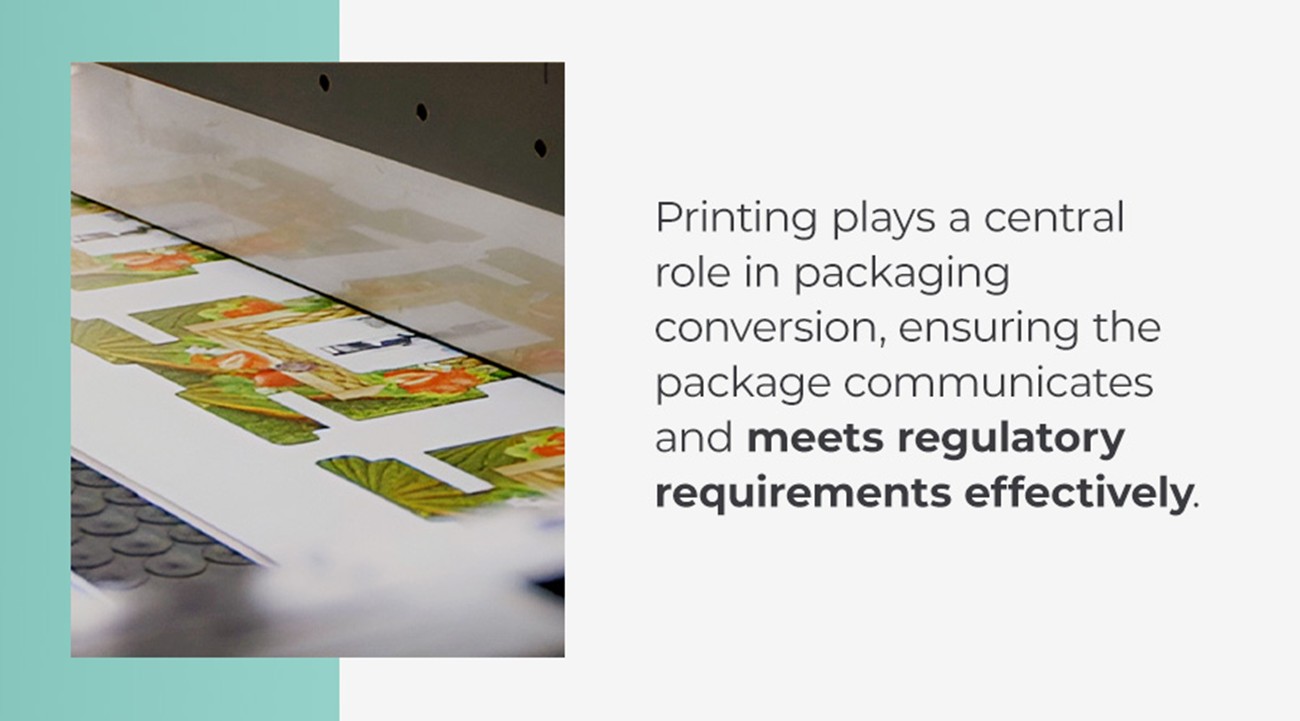
Digital Printing (DIYPack’s specialty) eliminates the need for printing plates, reduces setup
time, supports personalization, and enables rapid iteration. For corrugated board, digital print retains good detail
and allows on-demand print of small to mid-volume runs efficiently.
Corrugated Packaging — Flexo vs. Litho vs. Digital
While traditional converting methods have their place, corrugated digital converting has several advantages for
many brands, especially SMBs, DTC, subscription box businesses, and events:
- Lower Upfront Costs & Setup Time: Digital printing requires no plate creation, meaning less
cost and faster changes in design.
- Flexibility & Personalization: Need a limited-edition design, or custom prints for
influencer kits or VIP gifts? Digital printing allows quick pivots that flexo can’t affordably match.
- Better Sustainability & Less Waste: Corrugated board is typically highly recyclable and
made from recycled content. Digital printing helps avoid over-production and excess inventory. DIYPack’s
corrugated boxes are 100% curbside recyclable.
- Strong Durability & Structure: Corrugated boxes offer superior performance for shipping,
stacking, and protection.
- Excellent for Branding & Unboxing: Digital prints beautifully on corrugated — especially
premium white — and supports interior printing for elevated unboxing.
Comparison of packaging printing methods — pros and
cons
| Method |
Pros |
Cons |
| Flexographic |
Efficient for long runs; works on many substrates |
High setup cost; limited fine detail for small runs |
| Lithographic |
High resolution; excellent color fidelity |
Costly setup; less ideal for corrugated or short runs |
| Digital |
No plates; quick changes; personalization; low MOQ |
Higher unit cost at very large volumes |
What to Expect During the Conversion Process
Design preparation is the foundation. You’ll need clean artwork in proper formats (vector files
preferred), strategic consideration of finishes (kraft vs. standard white vs. premium white), and understanding of
material strength and flute size. At DIYPack, we automatically adjust flute size based on the square footage of the
box design, ensuring that your packaging is strong without being overbuilt.
Next comes printing, folding, cutting, and finally quality checks. For digital, expect faster turnaround; for
traditional press methods, be prepared for longer lead times and higher minimums.
Why DIYPack Makes Packaging Conversion Easier & Better
We combine the best of both worlds: digital print advantages plus corrugated board durability. All boxes are
manufactured in the USA using up to 99% recycled corrugated materials and water-based inks. Our platform allows you
to design, preview, and order custom packaging with no hidden fees. Whether you’re producing small promotional runs
or ongoing high-volume shipments, DIYPack helps brands look premium, act responsibly, and scale efficiently.
Tips for Choosing the Right Converting Method for Your Needs
Ask:
- What is your order volume (small or large)?
- How complex or detail-heavy is your design?
- How important are lead times?
- What level of durability does your product require (fragile or heavy items)?
- What are your sustainability goals (material recyclability, waste reduction, etc.)?
Answering these helps you pick the method that delivers best value and aligns with your brand goals.
Final Thoughts — Match Method to Mission
The packaging converting method isn’t only a technical decision — it’s a reflection of your brand’s mission, your
operating model, and your customers’ expectations. Digital corrugated converting, especially as offered by DIYPack,
is often the sweet spot for brands seeking a balance of speed, sustainability, quality, and personalization. It
empowers you to stand out, deliver delight, and protect your product — all without compromising values.
About the Author